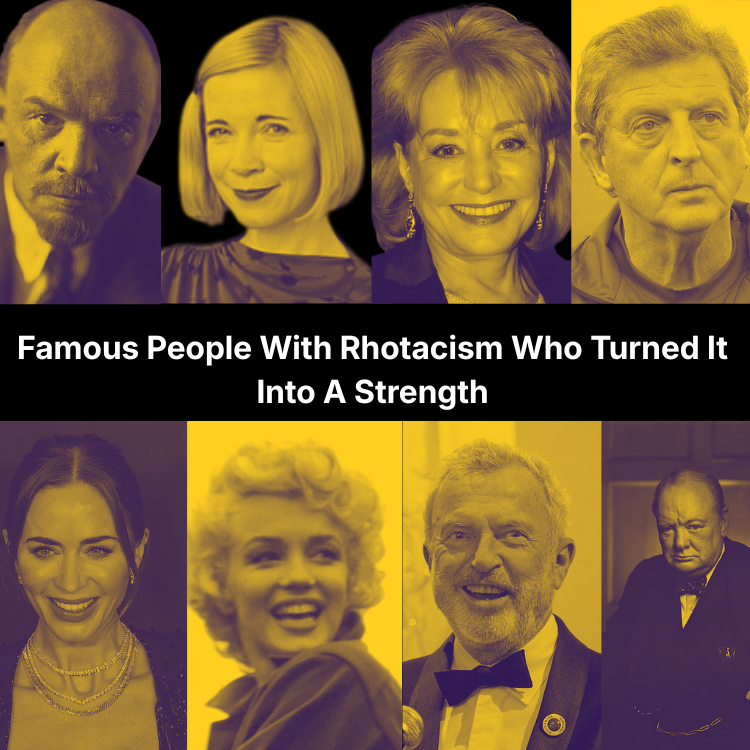




There are several famous people with rhotacism who have been to consistent structured speech practices and improved their speech articulation disorder.
Want to see the list immediately, jump to famous people with rhotacism and other speech disorders examples.
And if you love to understand the causes of rhotacism, symptoms and treatment first, continue reading.
Understanding Rhotacism
What Is Rhotacism?
Rhotacism is a speech impediment where the sound of "R" is affected. It becomes difficult for a person to speak any word with the R sound in it.
Let's understand why: The "R sound" is complicated because the tongue must create a precise shape where the tip of the tongue almost touches the roof of the mouth and slightly pulls itself backwards towards the throat and at the same time the sides of the tongue touches the molar to create a perfect pathway for airflow.
Rhotacism examples include:
- "Wabbit" instead of "Rabbit"
- "Wed" instead of "Red"
- Avoiding words that contain the letter "R"
- Unclear pronunciation of words like "teacher," "bird," or "car"
Rhotacism is an articulation disorder as it affects speech clarity rather than understanding language.
Understanding the Causes of Rhotacism
As we learned that rhotacism is a speech disorder, here are some common factors that contribute to the causes of it.
Developmental speech patterns
Some children require more time to learn the complex "R sound".
Motor planning differences
Producing the sound of "R" requires coordinated tongue movement and controlled airflow.
Genetic influences
Speech sound difficulty patterns may occur across family members.
Environmental influences
Children benefit from consistent exposure to clear speech models.
Phonetic placement difficulty
Some people who experience rhotacism simply need structured guidance on their tongue placement and regular practice to become rhotacism free.
Symptoms of Rhotacism
Rhotacism symptoms may include:
- Changing the letter R with W
- Unclear R pronunciation
- Some may find it difficult to produce the letter R in longer words
- Inconsistent R sound accuracy
- Hesitation when speaking words containing R
- Reduced speech clarity
Some children tend to avoid communication when they notice any speech difficulty. Please notice these symptoms before consulting with a speech language pathologist.
Challenges Presented by Rhotacism
Adults with residual speech errors may avoid presentations or public speaking situations.
Residual speech errors means that a particular speech impediment continues beyond the typical age when a sound is usually learned.
Clear communication builds confidence and when speech clarity improves, confidence grows too.
Early support reduces frustration and supports long-term communication success.
Does your 'R' hold you back in presentations?
Take the free rhotacism test — it takes 90 seconds and tells you exactly where your 'R' sound stands today.
Test My 'R' Now →Treatment Options for Rhotacism
Therapy and Solutions for Rhotacism
The speech therapy consists of various treatments for Rhotacism that includes:
- Phonetic placement training
- Motor learning practice
- Repetition exercises
- Structured word practice
- Conversational speech practice
In my experience, consistent practice produces measurable improvement because the brain learns speech patterns through repetition. If you want you can do a free rhotacism test to check your speech accuracy.
How Does R Speech Therapy Help?
R sound speech therapy focuses on building the precise muscle memory for the tongue.
Common approaches include:
- Learning correct tongue positioning
- Practicing isolated R sounds
- Progressing to words and sentences
- Improving consistency across speaking situations
Structured speech therapy improves speech clarity. Small exercises everyday help.
Famous People with Rhotacism and Other Speech Disorders
Breaking the Stigma of Speech Disorders
Many famous people have experienced speech sound disorders, articulation differences, or fluency challenges.
Some famous people have disclosed about rhotacism specifically. Others have experienced speech sound disorders that affect pronunciation clarity.
Together, these examples show that speech differences do not limit potential.
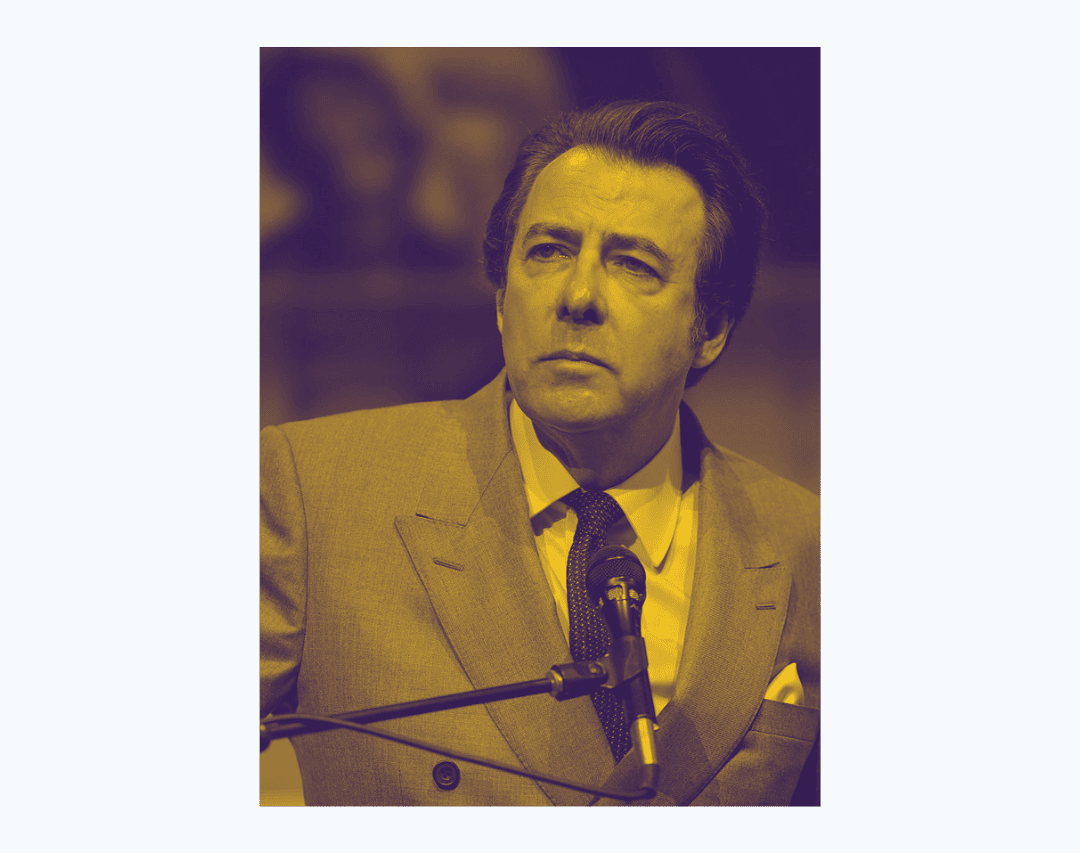
Jonathan Ross
Jonathan Ross is a British broadcaster and comedian known for pronouncing R sounds similar to W sounds. His speech difference became part of his public identity.
Ross hosts The Jonathan Ross Show and has received multiple BAFTA awards. He often jokes about his pronunciation and is affectionately called "Wossy." His success shows us that articulation issues do not stop us from success.

Lucy Worsley
Lucy Worsley is a respected historian and BBC presenter. Her R pronunciation is noticeable, yet her authority and storytelling ability define her amazing capabilities in professional work.
Worsley reportedly worked with a speech therapist earlier in her career but chose to focus on communication effectiveness rather than perfection. Her example shows that clarity and confidence matter more than flawless pronunciation.
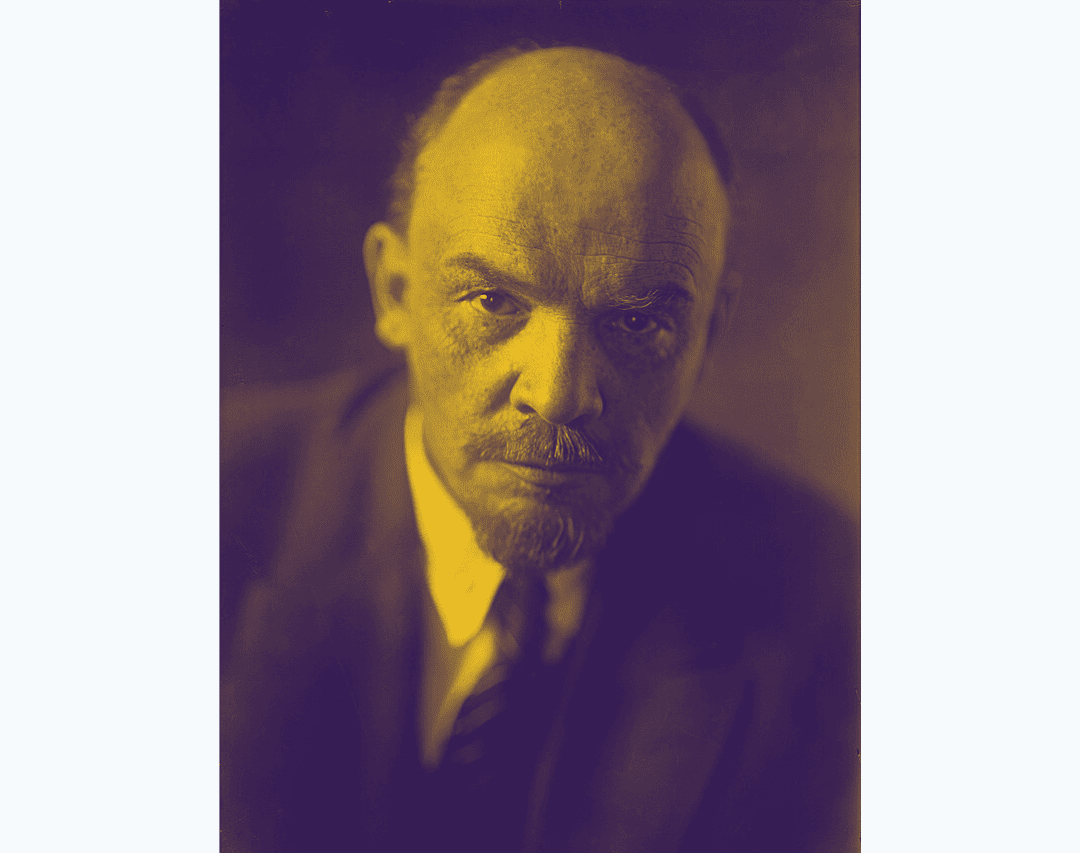
Vladimir Lenin
Historical accounts describe Vladimir Lenin as having a rhotacistic pronunciation pattern known in Russian as kartavost.
Despite this speech characteristic, Lenin was known as a powerful public speaker who influenced millions. His communication effectiveness depended on clarity of ideas rather than perfect articulation.
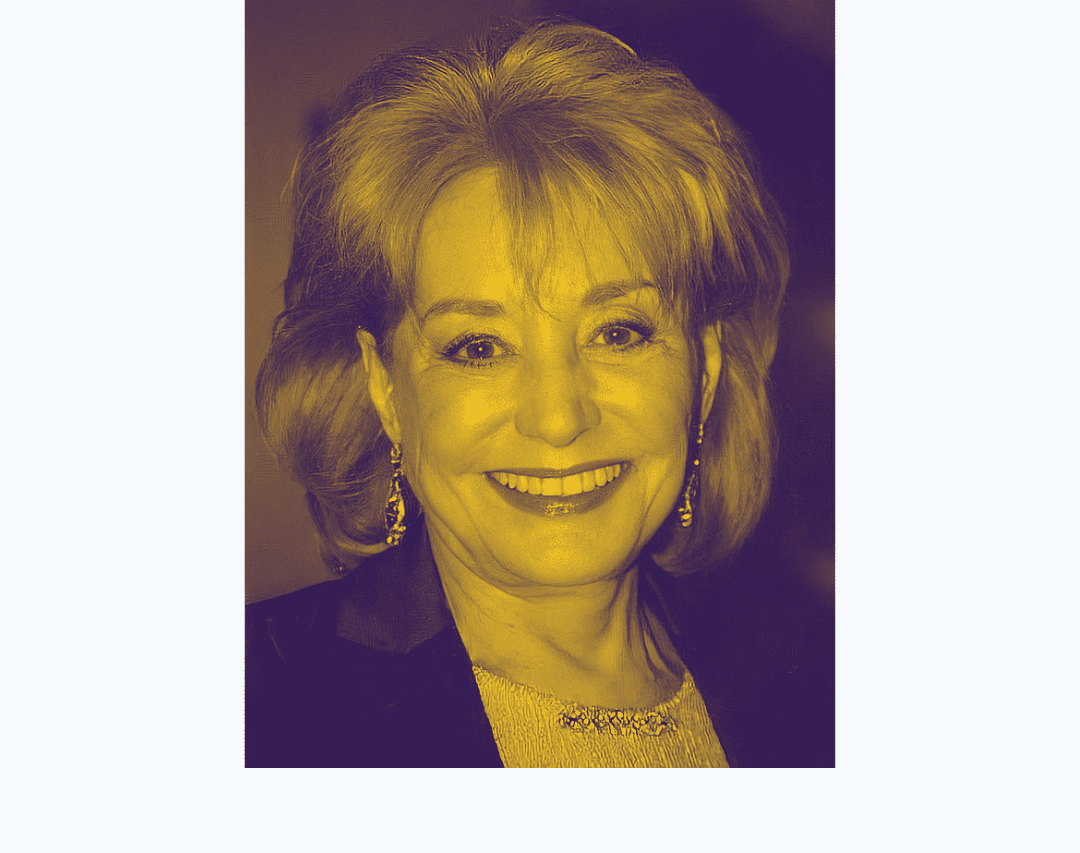
Barbara Walters
Barbara Walters was a pioneering broadcast journalist known for interviewing world leaders and public figures. Her pronunciation differences were sometimes parodied early in her career.
Walters embraced her speech characteristics and became one of the most respected voices in journalism.
Roy Hodgson
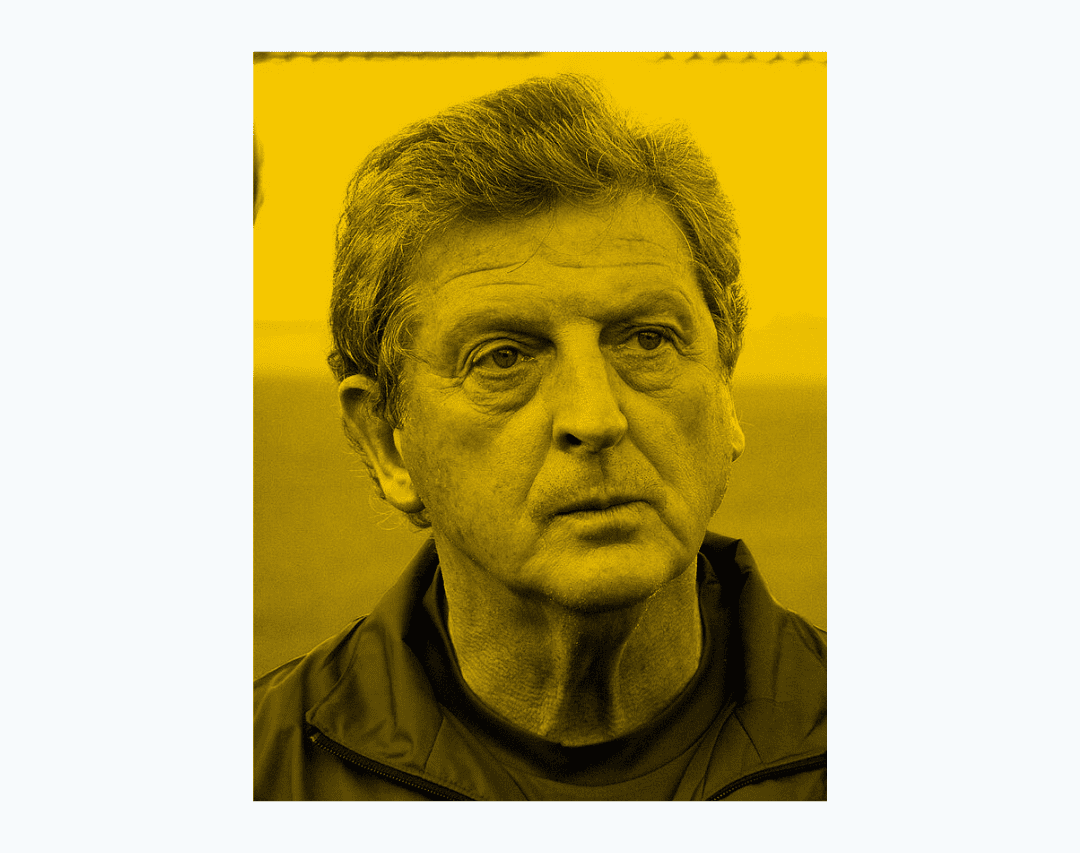
Roy Hodgson is an internationally respected football manager who coached England's national team. Despite public commentary on his rhotacistic speech patterns, Hodgson maintained authority and leadership credibility throughout his career.
His example shows that speech differences do not affect expertise.
Inspiring Success Stories
There are many famous people who had speech sound disorders that improved over time with consistent structured practice.

Marilyn Monroe
Marilyn Monroe faced fluency issues during her childhood, including stuttering that appeared throughout her early life. She worked with vocal coaches and practiced speaking techniques that helped her develop confidence in communication.
Her journey shows that early speech challenges do not limit expressive ability or stage presence.
James Earl Jones
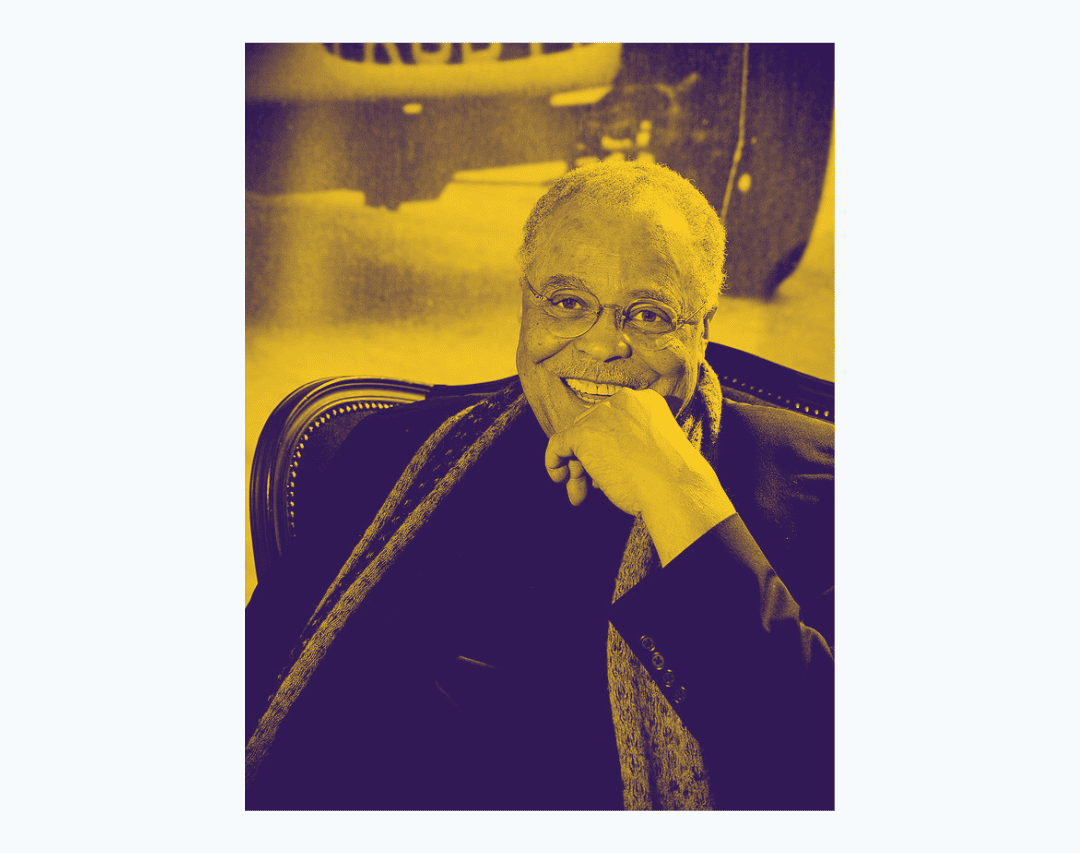
James Earl Jones experienced severe childhood mutism and struggled to speak clearly in early school years. Through guidance from teachers and structured speaking practice, he gradually developed confidence in verbal communication.
Jones later became known for one of the most iconic voices in film history, including performances in major films and theatre.
Joe Biden
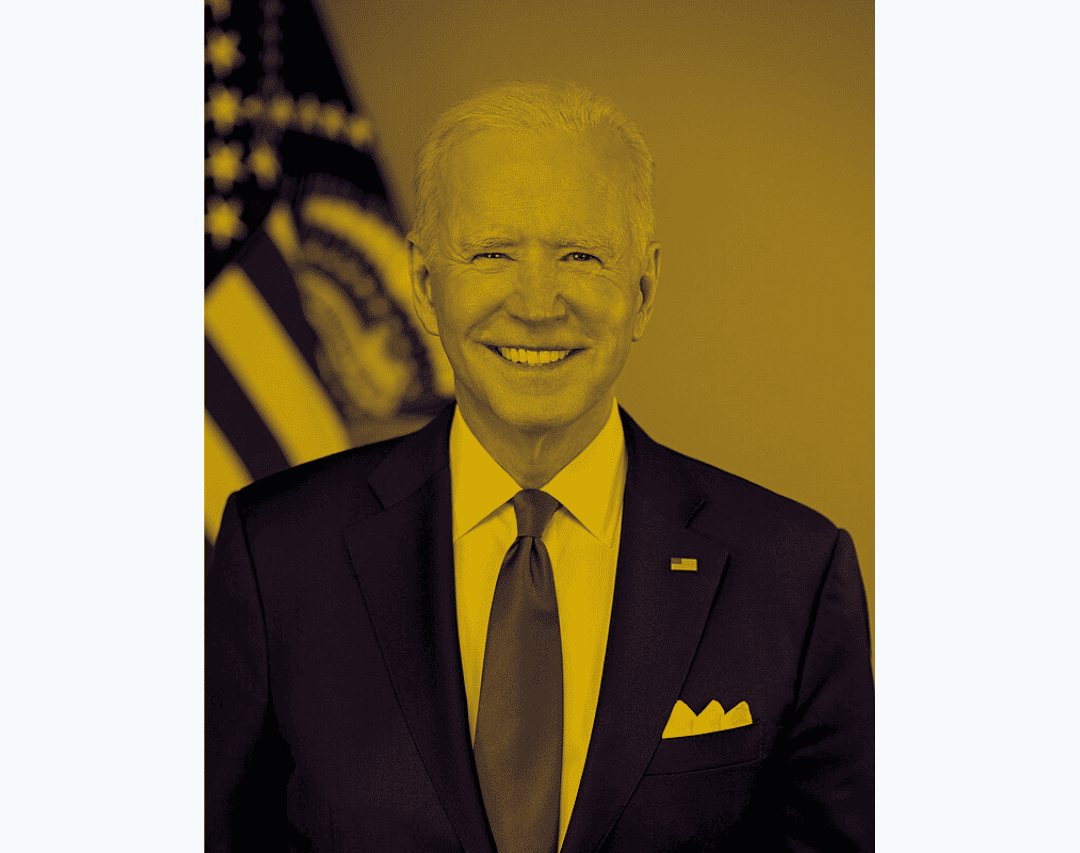
Joe Biden experienced stuttering during childhood and adolescence, which affected speech fluency in early academic settings. He practiced speech exercises regularly, including reading aloud and repetition strategies, to improve fluency.
Biden went on to become a public speaker, Vice President, and later President of the United States.
Emily Blunt
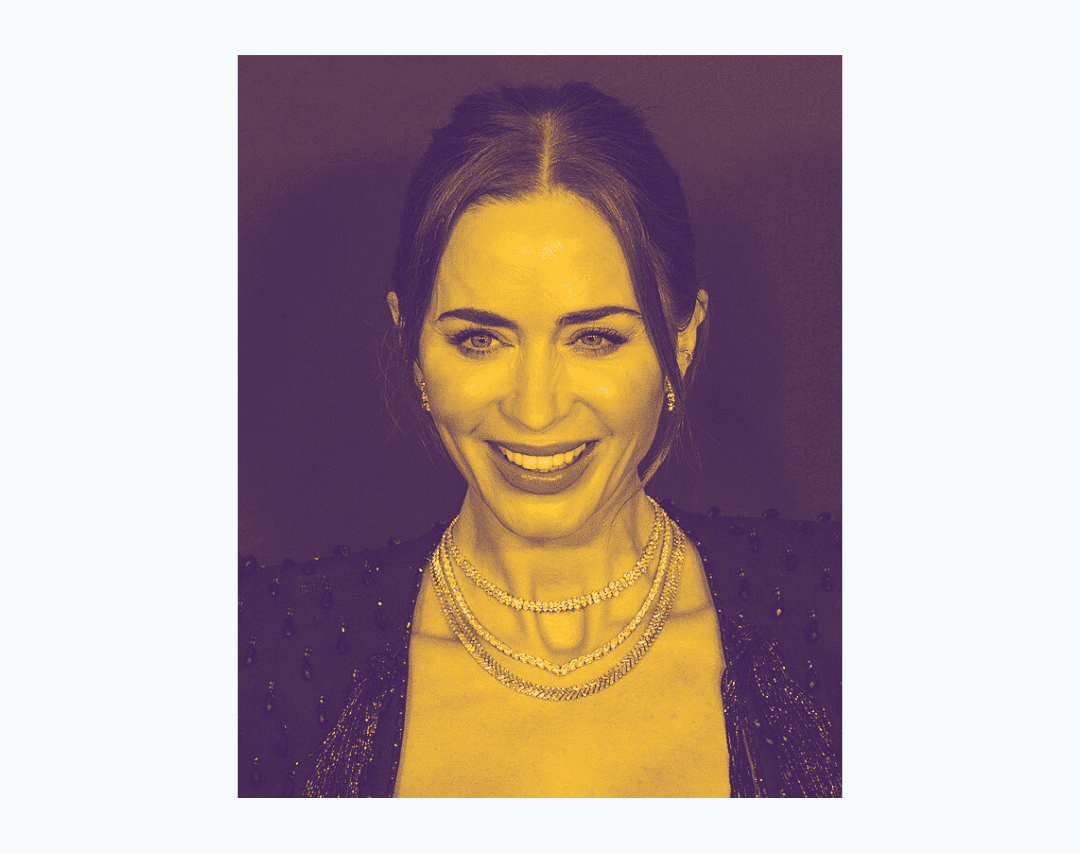
Emily Blunt experienced stuttering as a child, which affected her confidence when speaking in school. She found that performing in plays helped improve fluency because acting encouraged expressive speech practice in a supportive environment.
Blunt gradually developed clearer speech patterns and became a successful film actress.
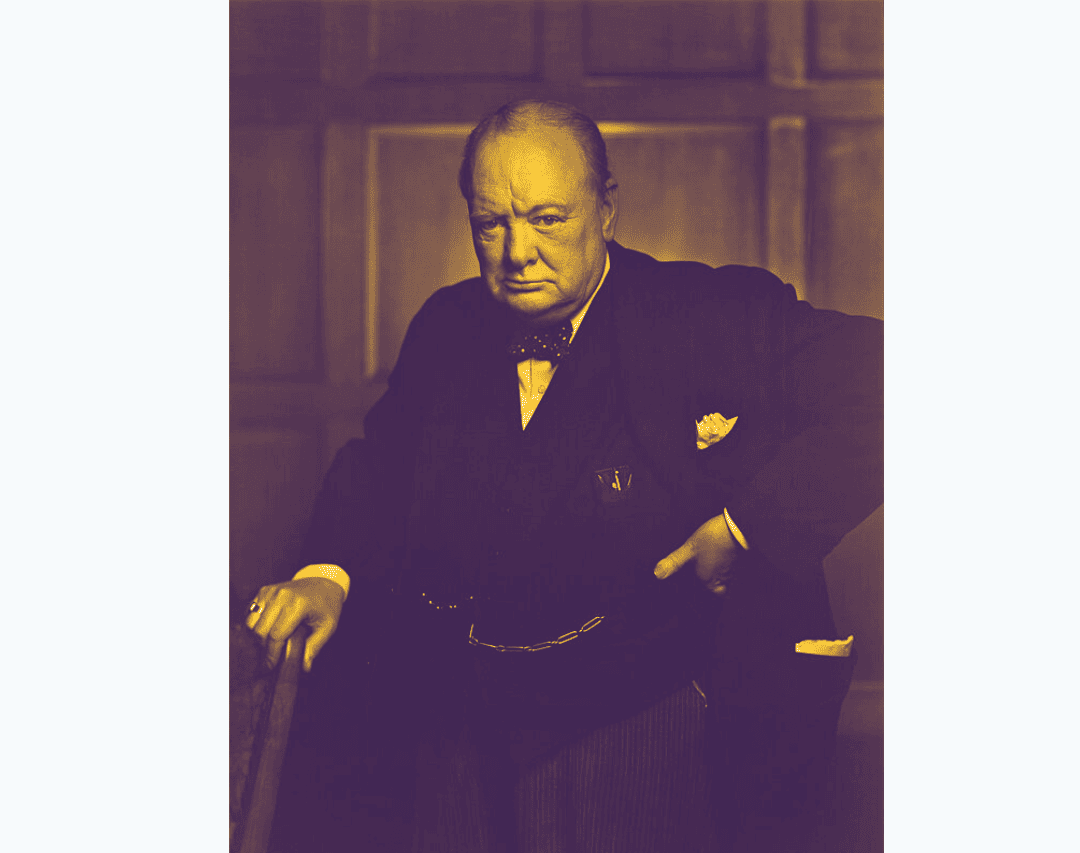
Winston Churchill
Historical accounts suggest Winston Churchill experienced articulation challenges and practiced speech extensively to improve clarity. Churchill carefully prepared speeches and rehearsed delivery to strengthen communication effectiveness.
He later became known for some of the most influential speeches in modern history.
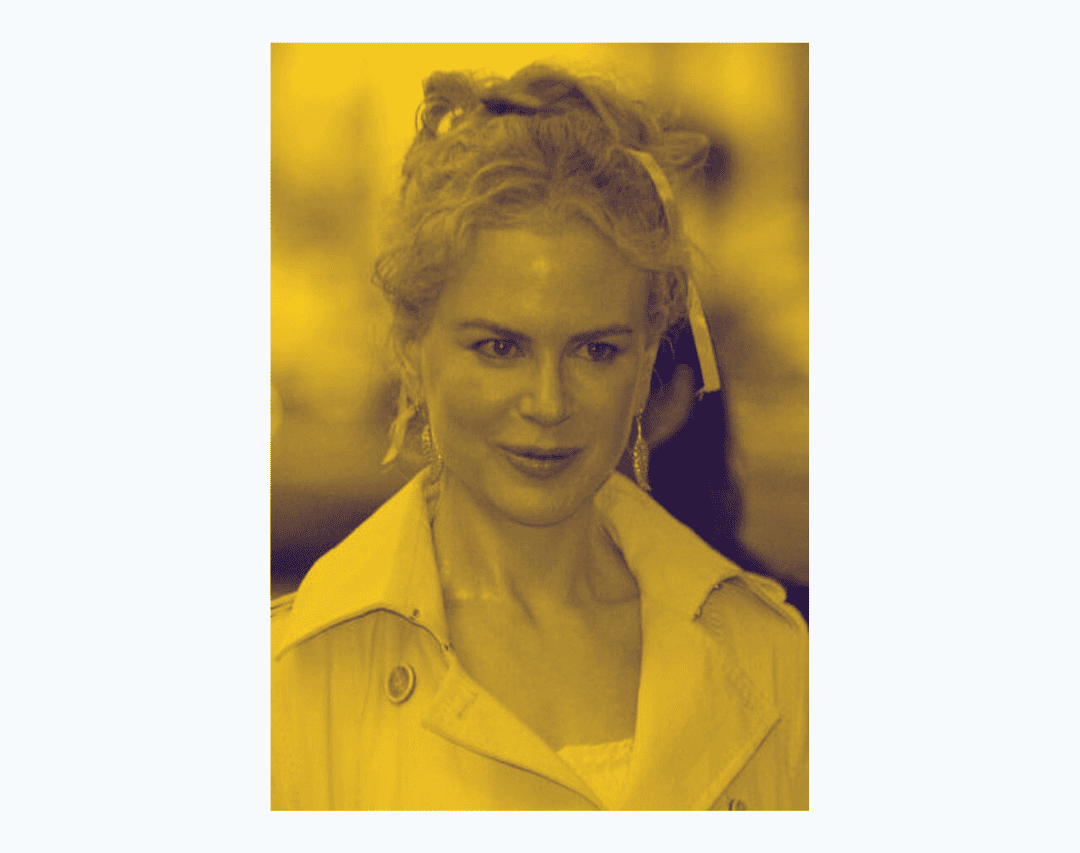
Nicole Kidman
Nicole Kidman experienced stammering during childhood, which affected her comfort when speaking in early years. She gradually improved fluency through performance training and repeated speaking practice.
Kidman became an award-winning actress known for confident on-screen communication.
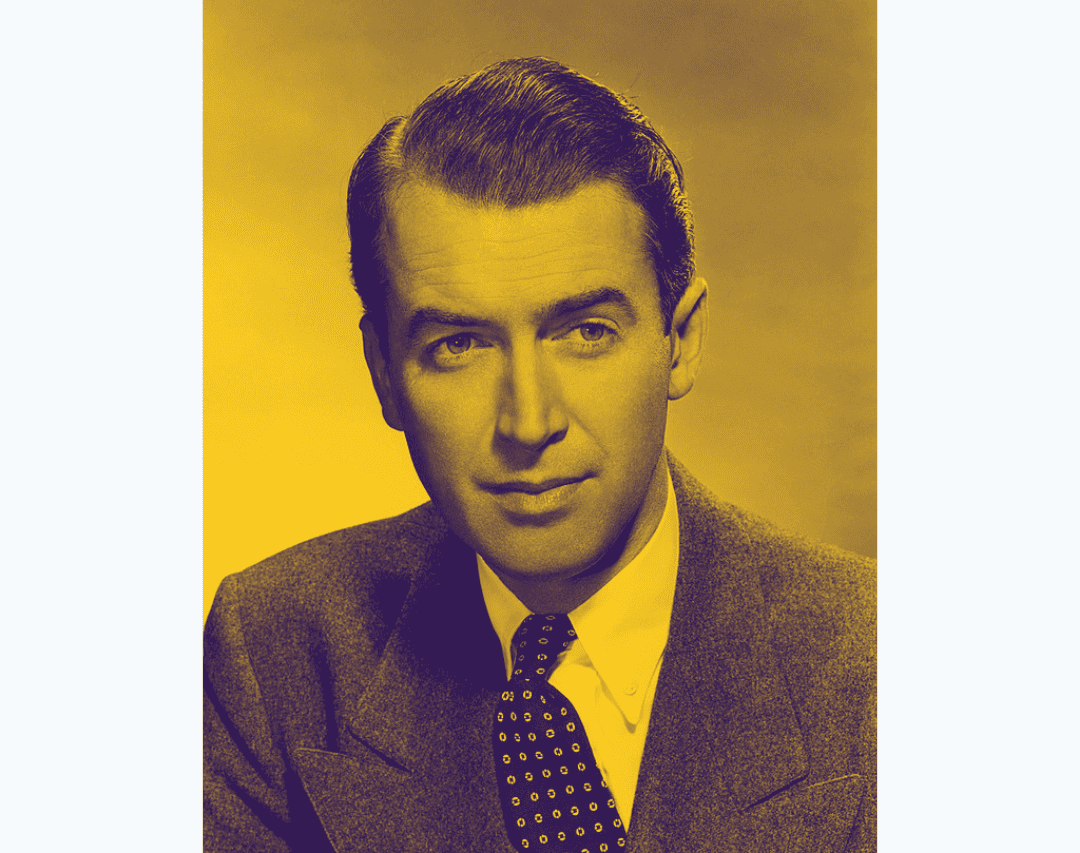
Jimmy Stewart
Jimmy Stewart was known for a distinctive speech pattern that differed from conventional speech delivery styles of his time. Rather than hiding his natural speaking style, Stewart used it as part of his screen identity.
His authentic communication style contributed to memorable film performances.
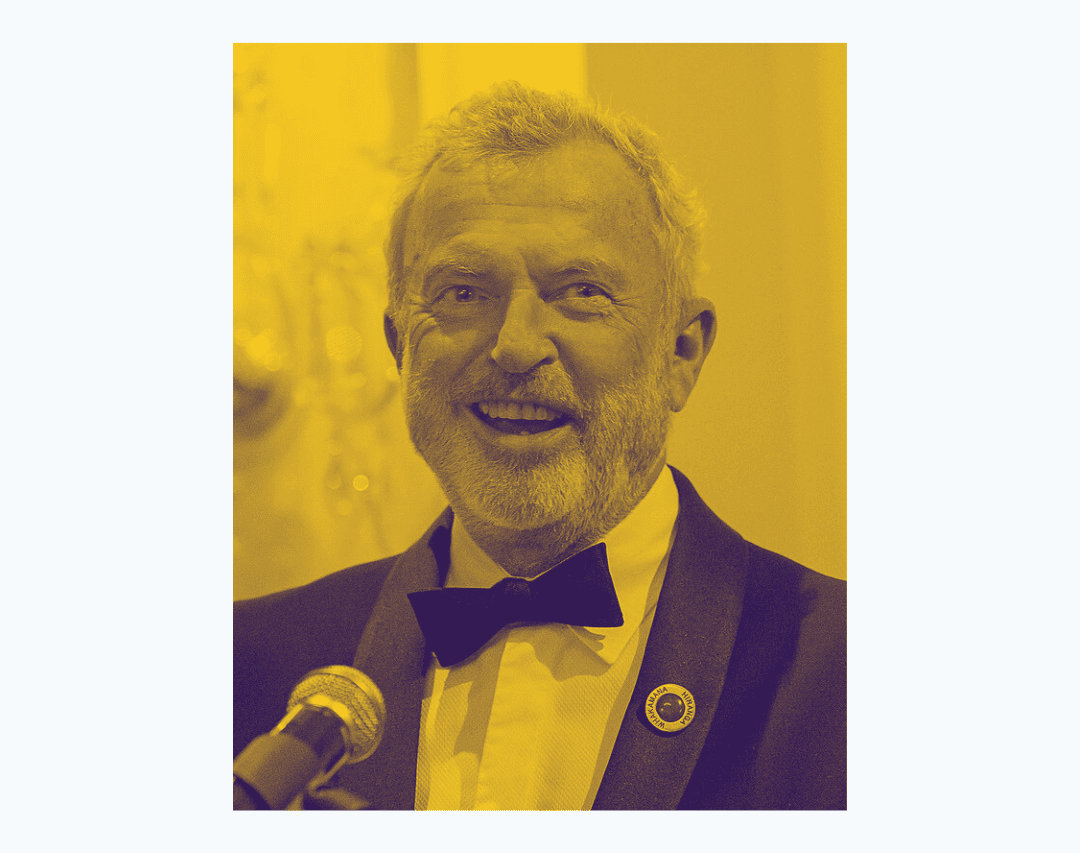
Sam Neill
Sam Neill experienced communication challenges earlier in life that affected speech confidence. Through continued speaking practice and performance experience, he developed strong communication skills.
Neill became an internationally recognized actor known for clear and expressive dialogue delivery.
All of these stories demonstrate one thing: that speech clarity improves gradually. And it doesn't have an age barrier.
If they improved their speech with practice, you can improve your R sound too.
Conclusion
They didn't wait for perfection. Neither should you.
Jonathan Ross built a TV empire with it. Lucy Worsley hosts for the BBC. What they had in common wasn't flawless speech — it was the decision to stop letting R hold them back.
The Rollr Academy is a 15-minute daily practice that trains your R sound the same way these habits work: through repetition, feedback, and consistency. No weekly appointments. No waiting lists.
Ready to Work on Your R Sound?
Join those who have improved their pronunciation.

Frequently Asked Questions
Jonathan Ross is widely recognized as a comedian with rhotacism pronunciation patterns.
Both children and adults may have rhotacism. Some public figures and fictional characters demonstrate this speech pattern.
Michael Phelps has discussed ADHD-related communication challenges but is not known for rhotacism.
Some reports suggest Albert Einstein and Thomas Sowell were late talkers.
Yes. Many individuals improve R pronunciation through structured speech therapy practice.
References
The following sources were used in the research and writing of this article.
BBC News: Roy Hodgson — Is it wrong to mock the way he speaks?
Deirdre Finnerty, BBC News (3 May 2012). Examines public debate around mocking Roy Hodgson's rhotacism, noting the speech pattern is shared by Jonathan Ross and politician Roy Jenkins.
View SourceWikipedia: Jonathan Ross
Biography of British broadcaster Jonathan Ross, including career history and BAFTA recognition.
View SourceWikipedia: Lucy Worsley
Biography of historian and BBC presenter Lucy Worsley, including her speech characteristics and academic career.
View SourceStuttering Foundation: Marilyn Monroe
Profile of Marilyn Monroe's early fluency challenges and how she developed her distinctive speaking style.
View Source